
You want to stay active for life.
Move Over Roll helps you to understand pain instead of fear it, so you can trust your body again and keep doing what you love.
As Featured in:







Your body isn’t broken. It’s communicating.
You've tried so many things already: a new modality, a new gadget, a new promise that this stretch would finally be the fix. For a while, some of these may have helped. Or at least minimized the pain. But the nagging ache keeps creeping back in, returning at the most frustrating times.
That cycle starts to change when you understand your own body and become an active participant in your recovery. That's body literacy, and it's the whole premise of Move Over Roll.
Pain is information that can guide you.
Active movement is a critical part of the solution.
Your body is built to adapt–it simply needs the right environment to heal itself

Meet The Creator
Hi! I'm Julia Blackwell, and I've spent the past 15 years helping athletes, hikers, lifters, and everyday movers rebuild trust in their bodies and return to the active lives they love.
Long before that, I was the person in the exam room being told there was nothing more anyone could do for me.
What I found instead was fascia, the connective tissue system that quietly runs the whole show, and a way of working with the body that treats you as a participant in your own recovery, not a passenger in it.
Ways to Work With Me:

Self-Help Courses
Self-paced and live education for people who want to learn to read their own bodies, wherever they are.
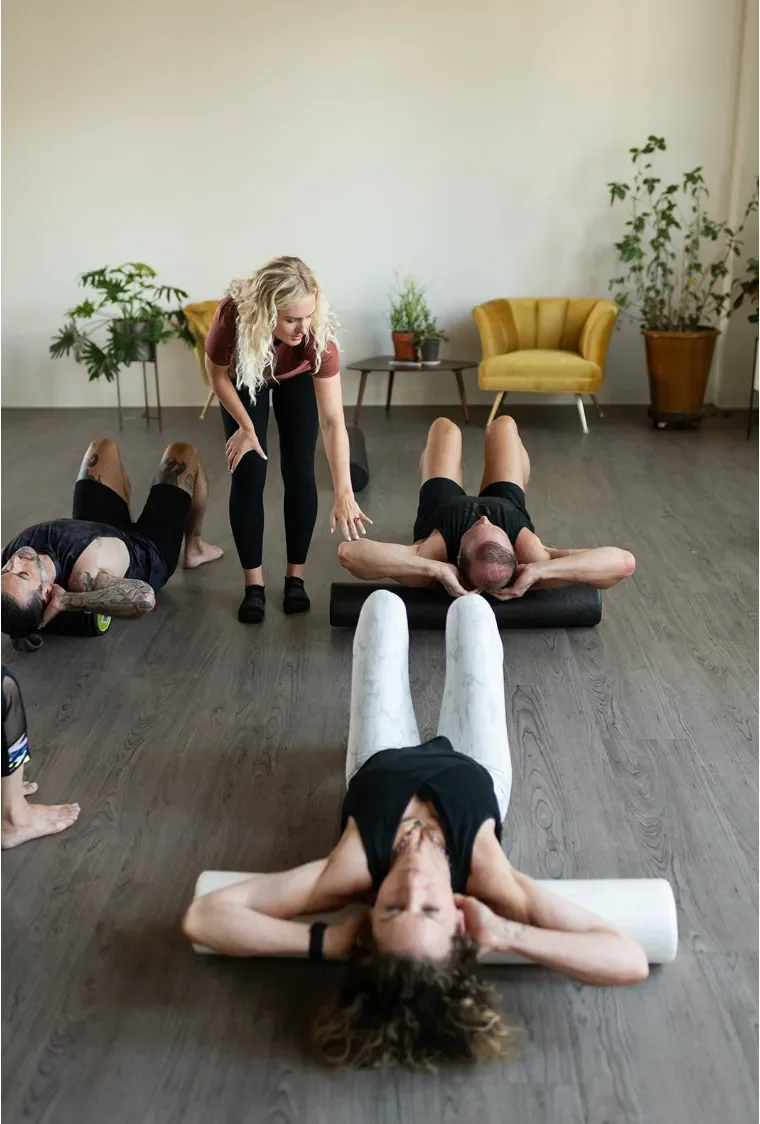
Professional Training + Certifications
Education and certification programs that help wellness professionals elevate their work.
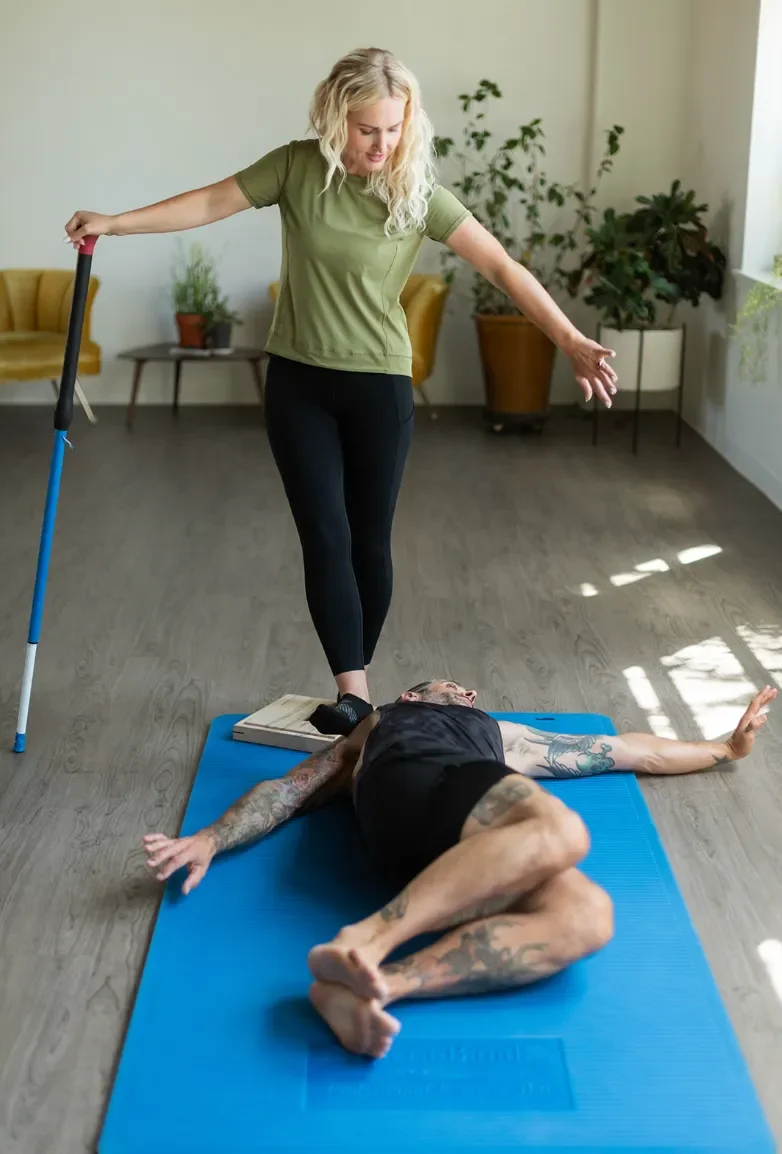
1:1 Sessions
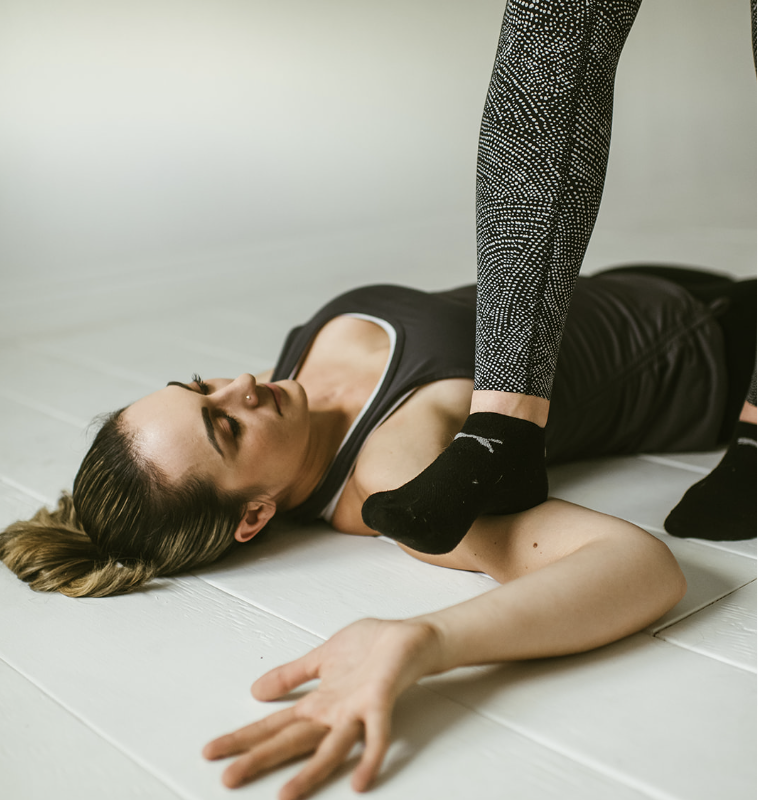
The Fascia Remedy in action: “Foot-on,” active fascia bodywork, in person at our Golden, Colorado office.
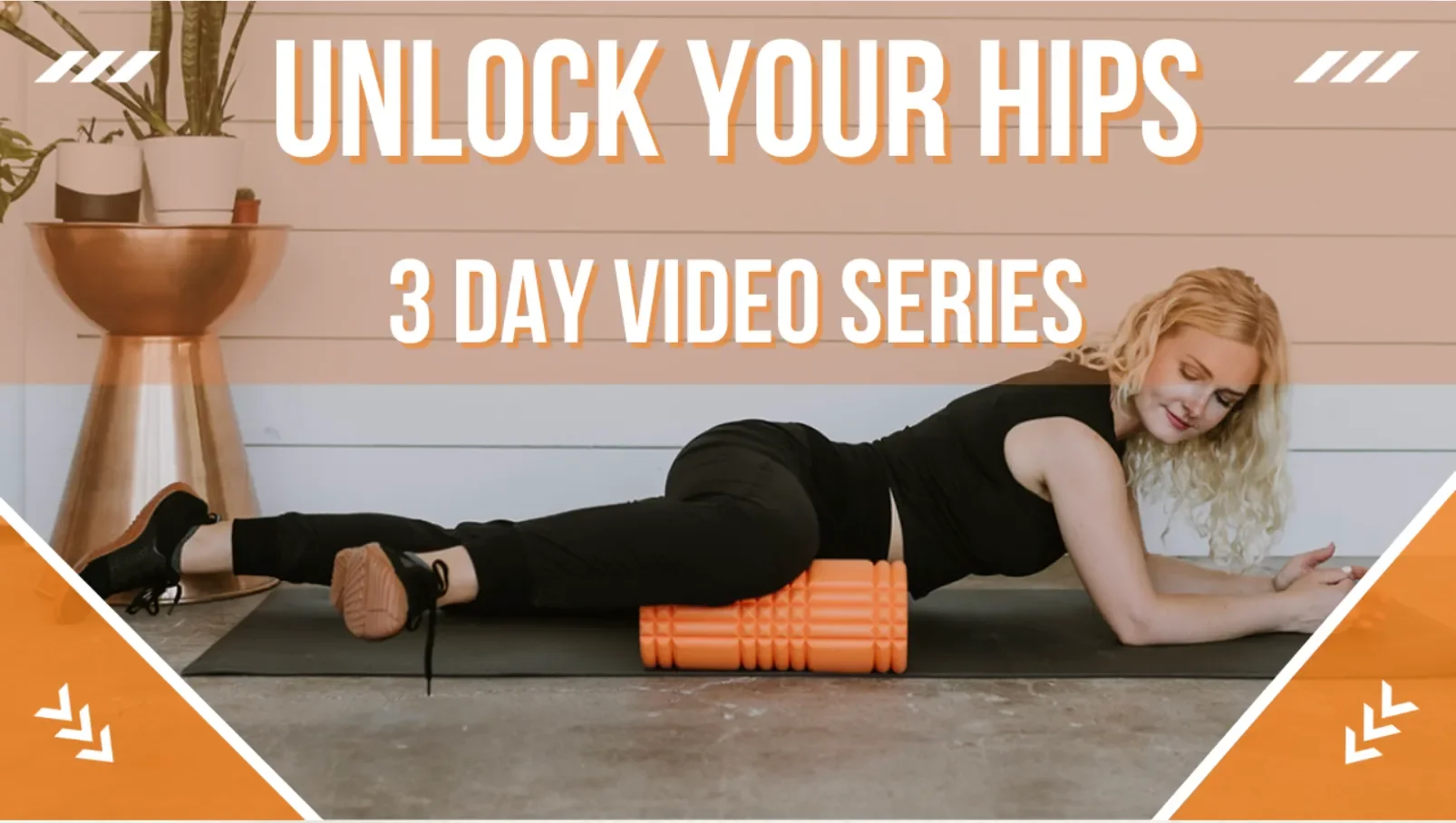
FREE 3 Day Video Series
Get started now with my FREE Unlock Your Hips 3 day video series! Learn how simple it can be to release restrictions affecting your pain, tension, and performance levels when you use your foam roller in this specific way (hint: it’s NOT rolling on it).
What Clients Are Saying:
-
![Portrait of a woman with wavy dark hair smiling outdoors in a wooded area.]()
Laura E.
"Julia gave me my body back. I had deep, resistant pain and restriction patterns that I had accepted as my new reality. She's the only one who's been able to free my body of tension and pain in such an efficient and lasting way. I feel young again!"
-
![A smiling woman with short dark hair, earrings, and a nose piercing, in front of a colorful, patterned textile background.]()
Elizabeth H.
"The work I’ve done with Julia has changed my life. It’s that simple. I have received a lot of body work and was a massage therapist for over 20 years and the unique work that Julia does has had the biggest impact on my body and the issues I’ve been dealing with for years. From problems related to old car accidents to migraine headaches, this work has moved me farther in my healing journey than anything else I’ve done. The relief and release has been blissful!"
-
![A man riding a wakeboard on a river, surrounded by red canyon cliffs, wearing a blue life vest, yellow swim shorts, a gray camouflage bucket hat, and no shoes.]()
Ron J.
"Julia's masterful method is incredible and has proved absolutely transformative in helping me regain my athleticism despite major surgery complications. I wholeheartedly recommend this to anyone recovering from an injury or simply seeking relief from tight muscles. Grateful for Julia and this work!"
-
![A smiling woman with dark hair outdoors in a park, wearing a purple top.]()
Leana H.
"Julia is the epitome of a pain guru! Her knowledge and approach to fascia and pain is remarkable. Before Julia, I consistently felt a sense of hopelessness and frustration with my sciatic pain. Not only has she helped eliminate my pain, but she gave me confidence that I can continue to live a life without pain. You'll want this work in your life. It's life-changing!"
-
![Smiling woman hiking outdoors with a blue backpack, green cap, sunglasses, and outdoor clothing, mountains and trees in the background.]()
Sara V.
"Julia has helped me completely transform my body after 25 years of lingering pain stemming from an auto accident. It's worth noting that for me, this work has been difficult. It's often very uncomfortable. And, it's the single best investment I've made in my own wellbeing.
I can't believe how much more easily I can do the activities I love. My balance and alignment has improved so much that I'm expending far less effort. I even put on a dress I hadn't worn since I starting this work and my shoulders are now nearly 2 inches wider, because they're finally relaxed and filling all the space they should in my chest. I didn't even know that they were so compressed -- no wonder I could never relax and always had neck pain! I HIGHLY recommend."
-
![Close-up of a smiling woman with long brown hair, fair skin, and light-colored eyes, facing the camera against a dark background.]()
Mara S.
"I love this approach to pain relief! I've learned so much about myself and what my body needs. I'm feeling fantastic and finally getting back to my CrossFit workouts!"
-
![A woman with light skin and brown hair taking a selfie in a room with gray walls and framed pictures hanging on the wall.]()
Nina D.
"Before Julia was recommended to me, I was so frustrated and had tried nearly everything to relieve my chronic neck and back pain. After just one session I could tell this was different and just what my body was dying for. I appreciate the hands-on (or would it be feet-on?) therapy she provides, but also the extensive knowledge and coaching on what can be done at home with simple tools. I truly feel that working with Julia has helped me get out of daily pain, understand my body more, and know what it needs to function and thrive."
-
![Person paddleboarding on a lake with mountains and trees in the background.]()
Terra S.
"Julia does literally magical work. I have gone to her with chronic neck pain, plantar fasciitis, and back pain and within 1-2 sessions I walk out completely pain free every time. Her fascia body work is super unique and pretty much immediately effective. During the work you actively participate which I believe is what makes the results so quick. I have gone to PTs, chiropractors, advanced massage therapists, and no one gets me out of pain faster than Julia.
As a practicing NP, I recommend my patients, family members, and friends with any type of musculoskeletal pain to her. She has prevented unneeded surgeries and cortisone injections, and helped me and so many people I know live pain free lives. I seriously could not imagine my life without her!"
-
![A woman in outdoor cycling gear with a helmet, sunglasses, and a backpack, standing next to a mountain bike on a dirt trail surrounded by trees.]()
Kelly B.
"Julia is an absolute treasure. Her compassion, knowledge, her innate curiosity make for a very symbiotic experience. I have a history of shoulder issues with a significant loss of range of motion. Since seeing Julia, I have had pain relief and have been able to hold my arm straight over my head for the first time since I was a kid. More recently I have seen Julia for a QL strain, and tight deep abdominal muscles. She mapped out a plan, had me out of pain within the hour, sent me foam roller moves to continue my progress. If you are in need of pain relief, this is the work you need to do!"








Why Fascia is the Missing Link for Pain Relief, Recovery, and Performance
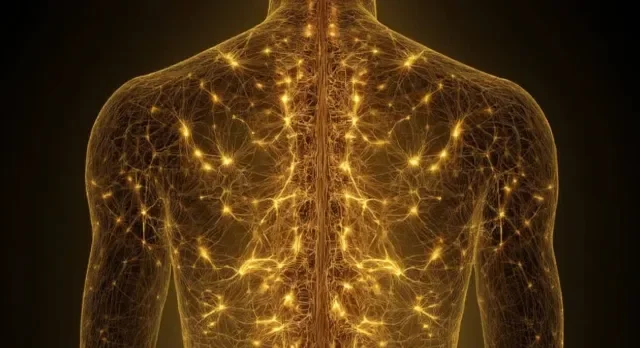
Fascia isn’t just connective tissue.
It’s a living, responsive, intelligent communication system that:
Shapes your posture and movement
Transfers force and absorbs impact
Influences how resilient you are to stress
Stores long-term holding patterns from injury, overuse, and emotional load
Determines whether your body feels tight and guarded or relaxed and adaptable
When fascia becomes dehydrated, restricted, or overloaded, the body compensates.
Pain shows up.
Movement becomes limited.
Stress feels harder to handle.
And you’re told to “manage it” or “silence it” instead of uncovering the root cause.
It’s time to stop managing symptoms and start understanding what your body is asking for!

Read the Latest Blog:


FAQs
-
Fascia is the body’s intricate web of connective tissue. It wraps around and weaves through everything—muscles, bones, nerves, blood vessels, even your organs. Think of it like the cling wrap that holds your whole body together. When it’s healthy, fascia helps you move freely, stay flexible, recover quickly, and enables all your other bodily systems (like lymphatic, digestive, circulatory, etc) function optimally. When it’s restricted, things start to hurt, tighten, and feel “off.”
-
Because until recently, fascia was completely overlooked in anatomy and medical training. Researchers would literally cut it away and throw it in the trash just to study the muscles or nerves underneath.
Thankfully, that’s changing—there are now more and more studies (even The New York Times has covered it) showing how fascia impacts health, pain, and movement. The problem: is most standard treatments still haven’t caught up.
Doctors, trainers, and therapists were taught to think only in terms of muscles, bones, and joints. Now we know fascia is full of pain receptors, stores stress, and plays a massive role in how we move. It’s the missing link for understanding so many cases of stubborn or “mystery” pain and tension.
-
Yes! Fascia is packed with nerve endings—pain receptors, pressure sensors, and proprioceptors (the ones that tell your brain where your body is in space). In fact, fascia has more receptors than any other tissue in the body—making it our most highly sensitive organ. That means your body awareness, coordination, pain sensations, and even stress responses come from fascia.
-
Yes and no. Massage definitely influences fascia—especially the myofascia (the fascia around muscles) and even the lymphatic system, which sits closer to the skin. Since fascia is everywhere, any massage is going to touch it in some way.
The catch? Most traditional massage misses the key ingredients for lasting change. To truly reset fascia, you need active movement to interrupt old patterns, and you have to look beyond the spot that hurts—because pain is rarely the actual problem.
That’s why many people feel amazing after a massage… but only for a little while. Without movement and the right type of pressure, fascia tends to snap back to its old, sticky patterns once the “feel-good” effect wears off.
-
Yes! Fascia isn’t just a physical tissue—it’s deeply connected to your nervous system and even communicates within itself. Stress, trauma, and even daily anxiety can cause your body to brace, tighten, and hold tension without you realizing it. Over time, that “holding pattern” gets stored in the fascia, almost like your body is wearing emotional armor.
That’s why people often describe feeling like stress is stuck in their body, or why emotions sometimes come up during a release session. Your fascia and nervous system work hand-in-hand, so when fascia is restricted, your body can stay locked in fight-or-flight mode.
The good news? When we release fascia in the right way, we’re not just freeing up movement—we’re also sending powerful safety signals to the nervous system, helping your body (and mind) relax, reset, and heal. -
Completely. Muscles contract and relax, but fascia doesn’t work the same way—it’s more like a cling wrap or spiderweb that can stick to itself and surrounding tissues. Releasing fascia isn’t about forcing a muscle to relax—it’s about restoring glide, hydration, and communication so muscles, nerves, and joints can do their jobs properly.
-
In most cases, this work actually complements what you’re already doing. It can enhance the results of other therapies—but here’s the key difference: most standard approaches focus on symptoms at the site of pain, rather than the root cause.
Here’s how The Fascia Remedy stands apart:
Massage can be wonderful for relaxation, lymphatic drainage, and mental health—but without active movement to retrain your patterns, the results are often temporary.
Stretching only works in one direction, while fascia is three-dimensional. So unfortunately, it means that stretching doesn’t address fascial adhesions—and sometimes can even make pain worse.
Chiropractic and physical therapy often target isolated muscles and joints, but don’t fully consider how the fascial system connects the entire body as one unit.
Foam rolling is a great tool, but when used without specific techniques or movement integration, it doesn’t create lasting change.
The Fascia Remedy combines targeted fascia release with intentional movement and trauma-informed somatic principles to address the true root cause, rewire your nervous system, and create results that last.
-
Flexibility isn’t really the best marker of health or athletic ability. What actually matters is mobility—the ability of your joints to glide fully and freely through their range of motion. When your joints are mobile, flexibility tends to come naturally.
Here’s where fascia comes in: fascia is a three-dimensional structure. If we want to change it, we have to work it in a three-dimensional way. Most traditional stretching only pulls tissue in one direction, which doesn’t address fascial tension or adhesions. That’s why stretching often feels good for a moment but doesn’t create lasting change.
By working directly with fascia, you’re improving mobility, athletic performance, and the overall “looseness” and freedom in your body. So yes, fascia release supports flexibility—but what we’re really after is full-body mobility and functional movement, not just being bendy.
-
Fascia is often the hidden culprit behind back pain. When fascia in your hips, legs, or even shoulders gets tight, it can tug on your spine and create imbalances that show up as pain. On top of that, the fascia in your lower back has one of the highest concentrations of pain receptors in the entire body, which makes it extra sensitive and quick to send those “warning signals.”
Here’s the key: the spot that hurts usually isn’t the real problem. That’s why you can stretch your back, get massages on your back, or even have spine adjustments—and the pain still comes back. The fastest path to lasting relief is releasing fascia in the right areas to restore balance through the whole chain.
-
The truth is, almost every ache, pain, or issue in the body has a fascial component.
Here’s a list of ailments that unhealthy fascia contributes to:
TendonitisTendonitis
Arthritis and joint pain
Chronic pain and inflammation
Plantar fasciitis and foot pain
Low back pain and herniated discs
Knee pain
Neck pain and headaches
Plateaus in athletic performance
Slow recovery times
Pulled muscles
Upper back pain and rib pain
Shoulder pain, shoulder mobility issues, frozen shoulder
Exercise induced aches, pains, and stiffness
Chronic dehydration
Carpal tunnel and wrist pain
Numbness and tingling in extremities (Thoracic Outlet Syndrome)
Pinched nerves, nerve pain, Sciatica
Hip pain and SI pain
Overuse injuries (such as Golfer’s or Tennis Elbow, Runner’s Knee, shin splints, etc)
Limited range of motion and chronic stiffness
Aches and pains from pregnancy or postpartum
Poor sleep
Poor posture
Accelerated aging
Compromised immune function
Difficulty breathing fully/deeply through the diaphragm
Poor stress response/Anxiety
Chronic fatigue
Poor immune system function
(While research is still limited, there may also be a fascial component to autoimmune conditions and digestive issues)
-
Absolutely. Migraines, tendonitis, fibromyalgia and plantar fasciitis are all conditions where fascia plays a big role. By restoring glide, improving fluid flow, and reducing tension, fascia release often relieves the root cause instead of just masking symptoms. It’s not an overnight fix, but for many people it’s the missing piece that finally makes lasting change possible.
-
In a recent 2024 survey of 85 clients from The Fascia Remedy practice, 34% felt a significant difference in just one session, and another 56% felt a difference in 2-5 sessions. That’s a total of 91% percent who felt significant relief in less than 5 sessions. This same survey also logged a 92% success rate.
When done consistently, most people feel a difference with the Fascia Remedy self release techniques in 2 weeks or less. -
Tendonitis
Shoulder pain, tension, and frozen shoulder
Plantar fasciitis and foot pain
Low back pain and herniated discs
Neck pain and headaches
Poor posture (rounded upper back, forward head, duck feet, one leg “shorter” than the other, etc)
Arthritis
Chronic inflammation
Carpal tunnel and hand numbness
Pinched nerves, nerve pain, and sciatica
Knee pain
Plateaus in athletic performance
Pulled muscles or sprained ankles
Upper back pain and rib pain
Exercise induced aches, pains, and stiffness
Hip pain
Overuse injuries (such as Golfer’s or Tennis Elbow, Runner’s Knee, Shin Splints, etc)
Limited range of motion
Poor sleep
Chronic fatigue
Poor balance/coordination
Chronic stress, anxiety, poor resilience to stress
Poor breathing mechanics
Aches and pains from pregnancy or postpartum
AND MORE