
Your Ultimate Ski Season Prep Routine
It’s finally been snowing here in Denver, and all I can think about is getting up to the mountains.
Ski season is exciting, but it’s also demanding on the body. Skiing uses a very specific combination of strength, endurance, balance, and coordination. Long days on the slopes mean repeated knee flexion, rapid direction changes, sustained quad engagement, and constant micro-adjustments through the hips and ankles.
If we want to ski better and reduce the risk of issues like knee pain, low back fatigue, or tight hips, preparing the body properly matters just as much as time on the mountain.
One of the most effective ways to prep for ski season is by addressing the fascial system before you ever clip into your bindings.
Why fascia matters for skiing
Fascia plays a major role in how force is transmitted through the body. Healthy fascia allows muscles to fire efficiently, joints to move smoothly, and blood flow to keep tissues hydrated during long bouts of activity.
When fascia is restricted or dehydrated, movement becomes less efficient. The body compensates, often by overloading the knees, tightening the hips, or creating unnecessary tension through the low back. Over the course of a ski day—or a full season—those compensations add up.
Instead of just strengthening or stretching, strategically releasing key areas of fascia helps restore space, hydration, and responsiveness so your body can handle the demands of skiing more effectively.
The 3 key areas to release before hitting the slopes
1. High, lateral calves
This specific area of the calf plays a big role in ankle mobility and knee mechanics. Releasing the high, lateral calves promotes increased blood flow into the knee, which helps “grease” the joint for prolonged bending and absorption of bumps and moguls. It can also reduce excessive strain on the knee over long ski days.
2. Quads
Skiing places the hips in a flexed position for extended periods, meaning the hip flexors stay shortened while the quads work overtime to control speed and terrain. Releasing quad fascia helps reduce stress on the knee, supports better hip mechanics, and decreases the likelihood of low back fatigue later in the day. Hydrated quads can contract and relax more efficiently, which directly impacts endurance and control.
3. IT bands
Carving, edge control, and quick direction changes rely heavily on hip stability and proprioception. Restricted IT band fascia can limit hip movement and make it harder to activate the deeper stabilizing muscles of the hip. Releasing this tissue helps restore ease and flow through the hips, allowing for smoother turns and better overall control.
Proven on the slopes
I showed these exact fascia release techniques to the Alpine Ski Team up in Steamboat this fall, and the feedback was overwhelmingly positive. Many athletes noticed improved knee comfort, better endurance, and smoother movement almost immediately.
Whether you’re a competitive skier or someone who just wants to enjoy longer days on the mountain without soreness holding you back, a little targeted fascia prep can go a long way.
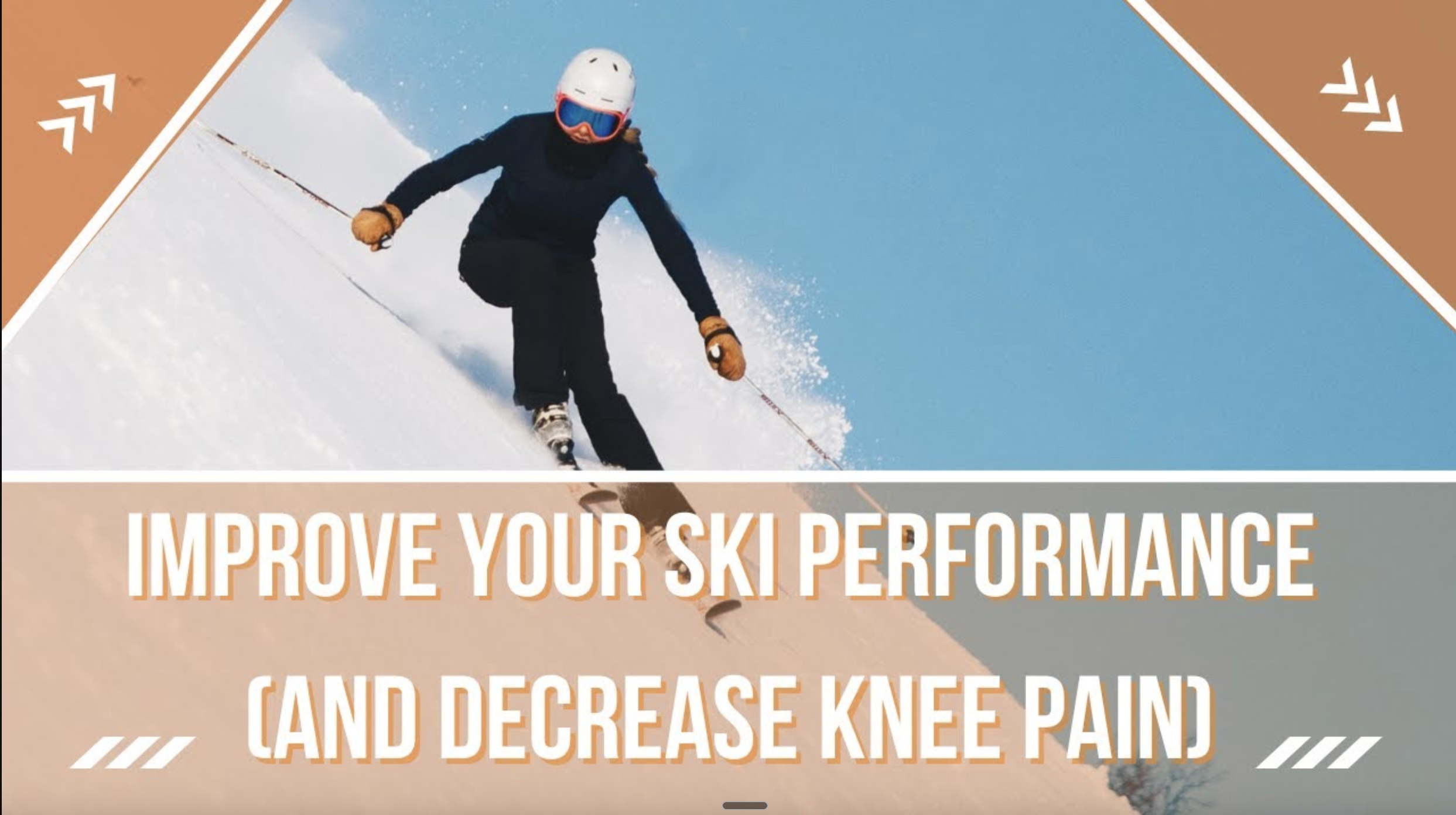
Ready to try these techniques for yourself? Follow along with the video below to prep your body before your next ski day.
Now get out there and shred!
-
Fascia release can help reduce knee pain by improving tissue hydration and movement efficiency around the knee joint. Releasing areas like the calves, quads, and IT bands helps distribute load more evenly, reduces joint compression, and supports better blood flow during prolonged skiing.
-
Key areas to prepare for ski season include the calves, quadriceps, IT bands, hips, and core fascia. These regions play a major role in knee stability, hip control, and shock absorption while skiing. Addressing fascia in these areas helps improve endurance, mobility, and injury resilience.
-
Yes. Fascia release can improve ski performance by enhancing joint mobility, muscle coordination, and proprioception. When fascia is healthy and responsive, movements feel smoother, turns require less effort, and stabilizing muscles activate more effectively during dynamic terrain changes.
-
Stretching alone may not adequately prepare the body for skiing. Fascia responds best to targeted compression and movement rather than passive stretching. Using foam rolling or fascia-focused release techniques before skiing can help restore hydration and responsiveness more effectively than stretching alone.
-
Fascia release can be done before ski days to prepare the body and after skiing to support recovery. Many skiers benefit from short, consistent sessions several times per week, especially during high-volume ski periods or multi-day trips.
